

 InfoSearched
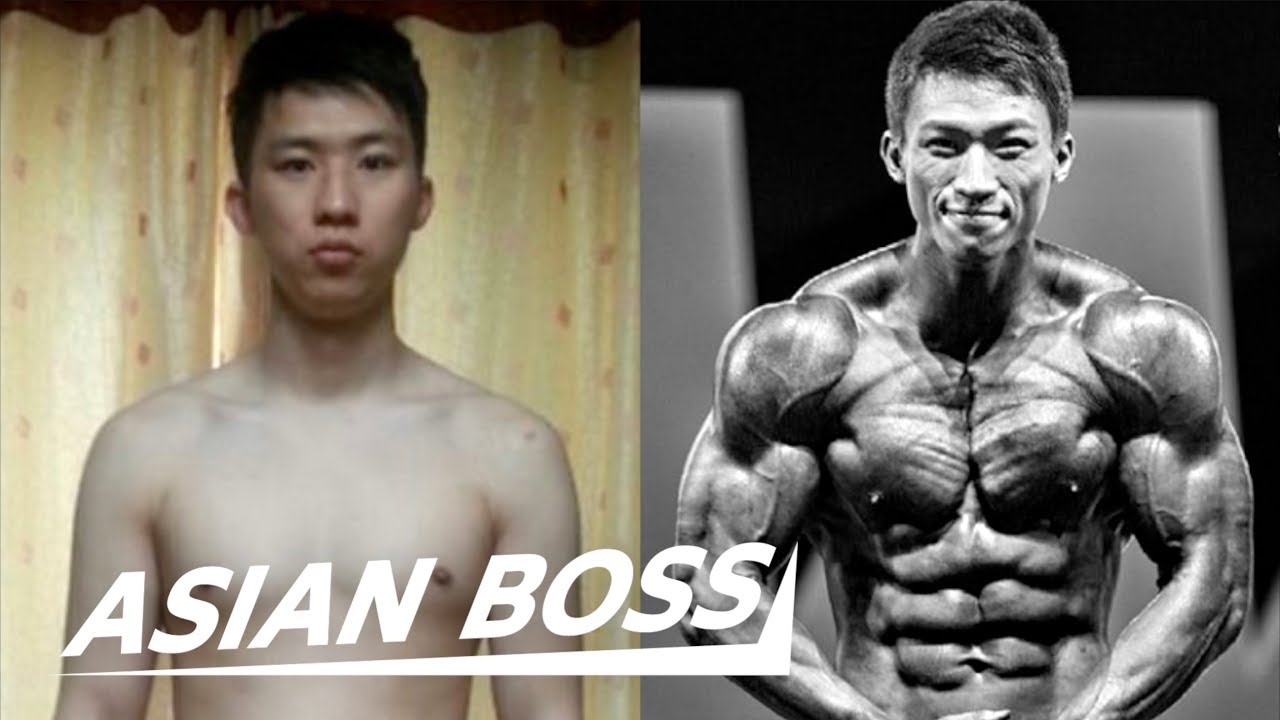
A Korean bodybuilder is finally saying out loud what the gym culture back home won’t.
Kim Dong-hyeon spent years chasing the kind of muscle mass that only comes with chemical help, and in a June 2019 sit-down with Asian Boss, he stopped pretending otherwise. The interview lays out, in his own words, how competitive pressure inside South Korea’s bodybuilding and fitness scene pushed him toward anabolic steroids — and what those drugs did to his body and mind once the reliance set in.
- Kim Dong-hyeon says competitive pressure and the sport’s aesthetic standards drove him to start using anabolic steroids.
- He describes a progression from initial reliance on the drugs to severe long-term physical and hormonal complications.
- Kim says he’s speaking out to warn aspiring athletes about the steroid culture inside South Korea’s physique industry.
The Push Toward the Needle
Kim didn’t frame his steroid use as a shortcut he took lightly. In his account, it was the byproduct of a sport that measures worth in muscle mass and stage-ready conditioning, where falling short of that look means falling out of contention. He tells Asian Boss that the pressure to match what other competitors were putting on stage made steroids feel less like a choice and more like the cost of staying in the game.
That’s a dynamic familiar to anyone who’s read about extreme physique culture — the same relentless chase for size and definition that shows up in stories like Larry Wheels’ body transformation, where the pursuit of mass runs up against the limits of what the body can take.
The Physical and Hormonal Toll
Kim details a decline that moved well past acne and mood swings into serious hormonal disruption — the kind of damage that doesn’t reverse itself once the cycles stop. According to his account, what started as a way to keep pace with competitors became a dependency his body couldn’t easily walk back from, with complications that got worse the longer the abuse continued.
Kim describes the progression from initial reliance on steroids to severe, long-term hormonal and physical complications.
He’s not vague about the psychological side either. The interview ties the physical breakdown to a mental one, describing the strain of being locked into a cycle where quitting felt as risky as continuing.
Exposing a Hidden Industry
What makes Kim’s account notable is that he’s not just talking about his own body — he’s pulling back the curtain on illicit drug practices that Asian Boss says run through South Korea’s broader fitness and bodybuilding industry. That’s a harder story to tell in a scene where sponsorships, competition placings, and social media followings are all built on a look that’s difficult to achieve naturally.
Kim’s goal, as he lays it out, is to get ahead of that culture before more aspiring athletes make the same trade he did. He wants the next generation of competitors to hear the cost up front rather than discover it the way he did — after the damage was already done.





How craving attention makes you less creative | Joseph Gordon-Levitt
ARE YOU AN ALPHA? – Simon Sinek – Why Leaders Eat Last
Why I’ll NEVER Drink Caffeine Again After Learning This
Be Good To Your Stomach
Why You Should Switch to Organic Skin-Care