

 InfoSearched
The Mediterranean’s oldest medicine cabinet might just be sitting in your pantry.
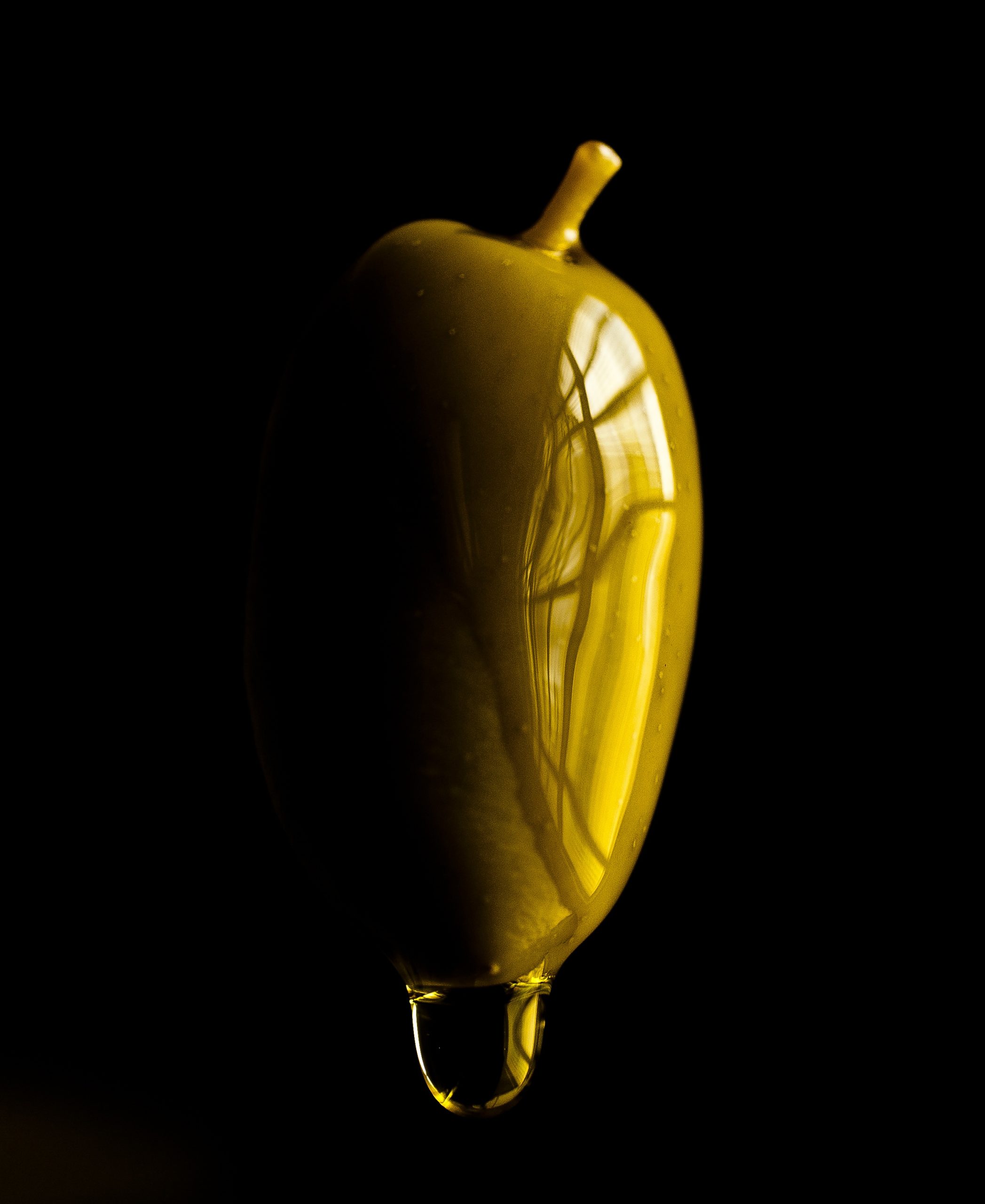
A short clip posted November 18, 2019, by healtheo360 (@healtheo360), the digital health community known for its bite-sized nutrition breakdowns, put olives and extra virgin olive oil back in the spotlight. The pitch is simple: a fruit that’s been pressed, cured, and drizzled across Mediterranean tables for millennia carries a chemical profile that modern cardiology and oncology research are still catching up to.
- Olive fat is roughly 71% to 75% oleic acid, the monounsaturated fatty acid tied to lower LDL cholesterol and improved HDL profiles.
- The landmark PREDIMED clinical trial found that an olive oil–rich Mediterranean diet cut the combined risk of stroke, heart attack, and cardiovascular death by approximately 30%.
- Olives and cold-pressed extra virgin olive oil deliver concentrated polyphenols — hydroxytyrosol, oleocanthal, tyrosol — plus vitamin E, compounds now studied for their role in fighting inflammation, cancer cells, and neurodegeneration.
The Fat That Fights Back
Olives don’t just taste good on a Mediterranean plate — they’re structurally different from most dietary fats. The oleic acid that dominates their composition is a monounsaturated fatty acid, and decades of epidemiological and clinical work show that swapping saturated fats for monounsaturated ones lowers LDL cholesterol while nudging HDL in the right direction. That shift matters because it directly cuts atherosclerosis risk, the plaque buildup that drives most heart attacks and strokes.
The PREDIMED trial is the piece of evidence researchers keep coming back to. It didn’t just track cholesterol numbers on paper — it followed real dietary patterns and found that people eating a Mediterranean diet heavy on olive oil saw their combined risk of stroke, heart attack, and cardiovascular death drop by about 30%. That’s the kind of outcome that gets a food item taken seriously by cardiologists, not just home cooks.
Polyphenols, Antioxidants, and the Inflammation Problem
Beyond the fat profile, olives and cold-pressed extra virgin olive oil are loaded with polyphenols — hydroxytyrosol, oleocanthal, tyrosol — along with vitamin E. These compounds work as antioxidants, neutralizing the oxidative stress that fuels chronic inflammation. That inflammation is the common thread researchers point to behind type 2 diabetes, metabolic syndrome, and certain cancers, which is why a food with this much polyphenol density draws attention well beyond the kitchen.
Readers who’ve followed the anti-inflammatory research around turmeric’s compounds will recognize the pattern here — a whole food supplying bioactive molecules that target the same inflammatory pathways implicated in a wide range of chronic disease.
Adhering to an olive oil–rich Mediterranean diet reduces the combined risk of stroke, heart attack, and cardiovascular mortality by approximately 30%.
Oleocanthal Destroys Cancer Cells
Among the polyphenols in extra virgin olive oil, oleocanthal has drawn particular interest in oncology research. In laboratory and observational models, it has shown the ability to damage cancer cells directly while also neutralizing the DNA-damaging free radicals that can trigger malignant changes in healthy tissue in the first place. It’s not a cure, but it’s the kind of mechanistic evidence that keeps olive-derived compounds on researchers’ radar.
A Possible Line of Defense for the Aging Brain
The same polyphenols showing promise against cancer cells have also turned up in neurodegenerative research. Studies have linked olive polyphenols to preserved blood-brain barrier function and reduced neuro-inflammation — two mechanisms believed to slow the onset and progression of Alzheimer’s disease and general age-related cognitive decline. For a food that’s been a pantry staple since antiquity, that’s a fairly modern résumé.
None of this displaces the basics of a balanced diet — olives still carry sodium that’s worth rinsing off or shopping around, and they work best as part of a broader pattern rather than a standalone fix. Anyone building out a nutrition routine around whole foods might pair the research here with the staples covered in 8 Foods Men Should Eat Everyday, since olive oil and its polyphenols tend to show up as a common thread across that kind of list.
The clip itself runs just a few seconds — healtheo360’s format has never been about long-form explainers — but the science behind it stretches back to PREDIMED and forward into ongoing oncology and Alzheimer’s research. For a jar of olives sitting in the fridge door, that’s a lot of homework to have already done.









How To Turn Anxiety Into Charisma
Casually Explained: Being Healthy
Best exercises to Lower blood pressure
How to be Completely Carefree
6 Reasons You’ve Been Drinking Water Wrong