

 InfoSearched
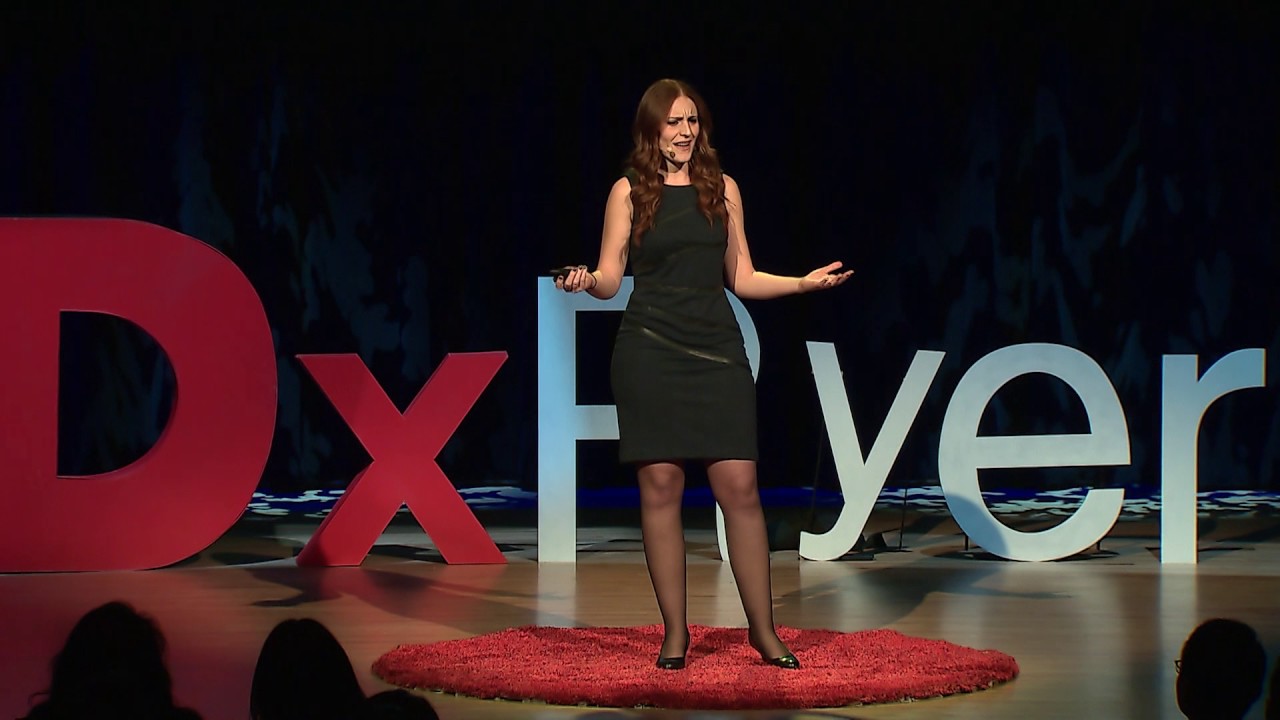
A TEDx stage turns the anxious mental math of scrolling into a public health warning.
Bailey Parnell opens her TEDxRyersonU talk by narrating the internal monologue most people run silently every time they open a feed — snap judgments about a stranger’s photo, a flash of insecurity about someone else’s life, a quick dopamine check on how many likes just landed. Parnell, a digital marketer and founder of the soft-skills training company SkillsCamp who also works in digital marketing at Ryerson University, uploaded the talk, titled “Is Social Media Hurting Your Mental Health?”, to YouTube on June 22, 2017. Her argument isn’t that people should log off — it’s that nobody realistically can anymore, so they need to learn to use these platforms without letting them wreck their heads.
- Roughly 90% of adults aged 18 to 29 are active on social media, spending an average of two or more hours a day on their feeds — the same age group for whom stress, anxiety, and depression are the top mental health diagnoses on university campuses.
- Parnell identifies four recurring stressors baked into everyday social media use: the highlight reel effect, social currency, FOMO, and online harassment.
- She closes with a four-step framework for “safe social”: recognize the problem, audit your social media diet, curate a healthier environment, and model positive behavior online.
The Scroll as Internal Monologue
Parnell’s opening bit is less a lecture than a performance — she walks the audience through the rapid-fire judgments that fire off during an ordinary scroll session: appraising a photo, comparing an outfit, feeling a jolt of inadequacy over someone else’s milestone (“She’s only nineteen… what am I doing with my life?”), then pivoting instantly to checking engagement on your own post (“Two likes! Nice”). It’s a deliberately uncomfortable exercise, designed to make the audience recognize the pattern in their own habits rather than take her word for it.
That discomfort is the point. Parnell isn’t describing an edge case or a rare form of social media abuse — she’s describing what she frames as a completely normal five minutes on a phone, repeated dozens of times a day by nearly everyone in the room.
The Significance of Demographic Data
Parnell grounds the bit in numbers. With around 90% of 18-to-29-year-olds active on social platforms and averaging two-plus hours daily, the demographic most saturated in feeds is the exact same demographic where stress, anxiety, and depression top the list of campus mental health diagnoses. She doesn’t claim a simple one-to-one causal line, but she uses the overlap to argue the conversation about screen time and student wellbeing can’t be separated from what’s actually happening inside the apps — a theme that echoes broader reporting on how modern anxiety and depression get shaped by daily environment, which our coverage of Johann Hari’s work on the roots of depression and anxiety explores from a different angle entirely.
Four Stressors Behind the Dark Side
Parnell breaks down what she calls the “dark side of social media” into four specific, repeatable stressors: the highlight reel effect, where users measure their unremarkable Tuesday against everyone else’s curated best moments; social currency, where self-worth gets tallied in likes, views, and comments; FOMO, the persistent worry that everyone else is out living a better life right now; and online harassment, the direct hostility users encounter simply by being visible.
Her key reframe is that none of this is really about the technology. Social media, she argues, is just a modern communication tool — the anxiety, comparison, and cruelty are human behaviors that existed long before Instagram, now amplified by a platform that runs 24/7 and keeps score in public.
Does social media have to hurt your mental health? “It doesn’t have to.”
The Four-Step Framework for Safe Social
Rather than pushing abstinence, Parnell lays out a four-step approach to what she calls “safe social.” First, recognize the problem — actually notice when a stressor like FOMO or social currency is driving your behavior. Second, audit your social media diet, replacing mindless scrolling with a more deliberate, mindful check-in. Third, curate your environment intentionally, unfollowing or muting accounts that consistently trigger comparison or anxiety. Fourth, model positive behavior yourself, since the feed you build is also the feed other people are scrolling through. It’s a practical checklist more than a philosophy, built for people who aren’t going to delete their accounts and need something they can actually do on a Tuesday night — the same kind of small, repeatable behavior swap our mental health coverage keeps coming back to.
Parnell’s framing throughout is that the goal isn’t zero exposure, it’s harm reduction — treating the feed the way you’d treat any other habit that has upside and downside baked in together, and managing the downside on purpose instead of by accident.






THE BEST Healthy Food Prep!! Protein Granola, Healthy Carbs, Snacks & MORE!
Healthy Breakfast Recipes Kids Will Love
Arnold Schwarzenegger Shows His Gym & Fridge | Gym & Fridge | Men’s Health
Father Of Two With No Arms Or Legs
I Tried Trippy BREATHWORK