

 InfoSearched
An athlete crammed 500 bodyweight squats into 20 minutes — and nearly wrecked his kidneys doing it.
Medical educator Dr. Bernard Hsu, who runs the YouTube channel Chubbyemu, built his latest case breakdown around a workout that sounds simple on paper and turned into an emergency room admission in real life. The subject: an athlete who decided to blast through 500 bodyweight squats in just 20 minutes, no pacing, no built-in recovery. What followed wasn’t soreness — it was a full-blown kidney emergency.
- The athlete performed 500 bodyweight squats in 20 minutes, then developed severe muscle pain, weakness, and dark brown, “tea-colored” urine that sent him to the emergency room.
- Doctors diagnosed exertional rhabdomyolysis — ruptured muscle cells flooding the bloodstream with creatine kinase and myoglobin, which clogged the kidneys’ filtering tubules and triggered acute kidney injury.
- Treatment centered on aggressive IV fluid resuscitation to flush the renal tubules, protect what kidney function remained, and correct dangerous electrolyte swings like hyperkalemia.
500 Reps, No Off-Ramp
The math behind the workout is brutal: 500 squats in 20 minutes averages out to 25 reps per minute, sustained without real breaks. That kind of unaccustomed, extreme-volume conditioning is exactly the setup rhabdomyolysis thrives on — muscle tissue, especially in someone not adapted to that specific volume, breaks down faster than the body can clear the byproducts. Anyone building a bodyweight routine at home, the kind covered in At Home Bodyweight Exercises To Help Avoid Coronavirus, is dealing with the same movement pattern here, just dialed up to a volume most bodies were never conditioned to absorb in one sitting.
Within hours of finishing the last rep, the pain set in — not the usual next-day soreness lifters expect, but an escalating ache paired with visible weakness. Then came the tell that turned this from “brutal workout” into “medical case”: urine the color of strong tea, a direct sign that muscle breakdown products were now circulating through his bloodstream and being filtered by his kidneys.
Rhabdomyolysis Causes Acute Kidney Injury
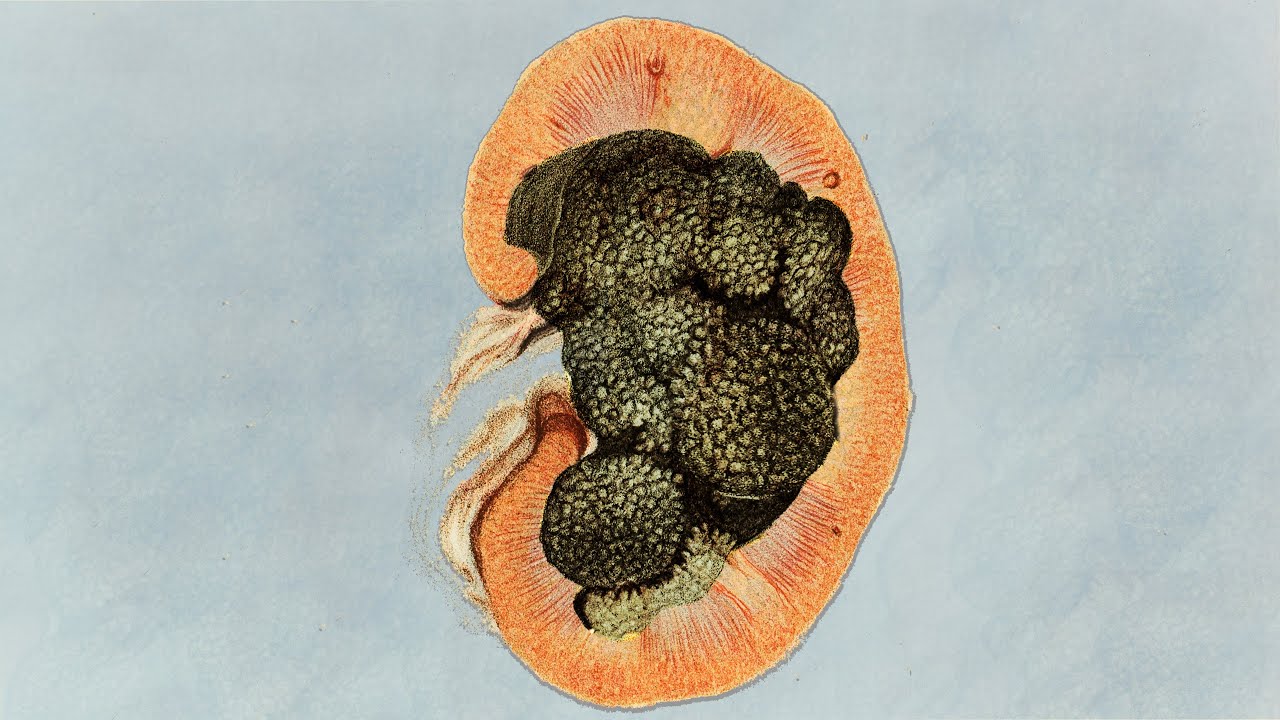
Rhabdomyolysis starts at the cellular level. Overstressed skeletal muscle fibers rupture, and their contents — creatine kinase and the iron-binding protein myoglobin — spill into circulation. Myoglobin is small enough to pass into the kidneys’ filtering units, but in the volumes rhabdomyolysis produces, it doesn’t pass through cleanly. It precipitates inside the renal tubules, forming obstructive casts that physically block the plumbing.
Dark brown, “tea-colored” urine was the first outward sign that his muscle breakdown had already become a kidney emergency.
Beyond the mechanical blockage, myoglobin drives oxidative stress, constricts blood vessels feeding the kidneys, and directly damages the tubular cells — a combination that adds up to toxic tubular necrosis. Together, these mechanisms pushed the athlete toward acute kidney injury, with the added threat of hyperkalemia, a potassium spike that can trigger dangerous heart arrhythmias if left uncorrected. It’s the same downstream renal machinery covered in 10 Signs Your Kidneys Are In Trouble, just accelerated into a matter of hours instead of years.
The Fluids That Saved Him
There’s no drug that reverses rhabdomyolysis on contact. The emergency room’s job was damage control: pour in intravenous fluids aggressively enough to flush the myoglobin casts out of the renal tubules before they caused permanent scarring, while monitoring and correcting the electrolyte imbalances stacking up in his blood. That fluid resuscitation is the standard first-line defense against rhabdo-driven kidney injury, and it’s the difference between a patient who recovers renal function and one who ends up needing dialysis.
Dr. Hsu’s case breakdown lands on a specific point that applies to any athlete chasing a big rep number for bragging rights: the danger isn’t squats, it’s unaccustomed volume without pacing. Anyone tempted to test a “500 reps in 20 minutes” challenge cold — the same instinct behind circuits like 10 HIIT Exercises to Lose Belly Fat FASTER — is better off building up gradually, because the difference between a hard workout and a hospital admission can come down to how fast the muscle breaks down versus how fast the kidneys can keep up.








Six Lies That Block Your Spiritual Awakening & Keep You Trapped In The Third Dimension
9 Exercises To Get Flat Stomach In Just A month
6 Healthy Breakfast Recipes (What I Eat In The Morning)
6 Reasons You’ve Been Drinking Water Wrong
Mayo Clinic Minute: 6 tips to healthy eating on a budget