

 InfoSearched
One entrepreneur wants the internet to stop treating “sensitive” like an insult.
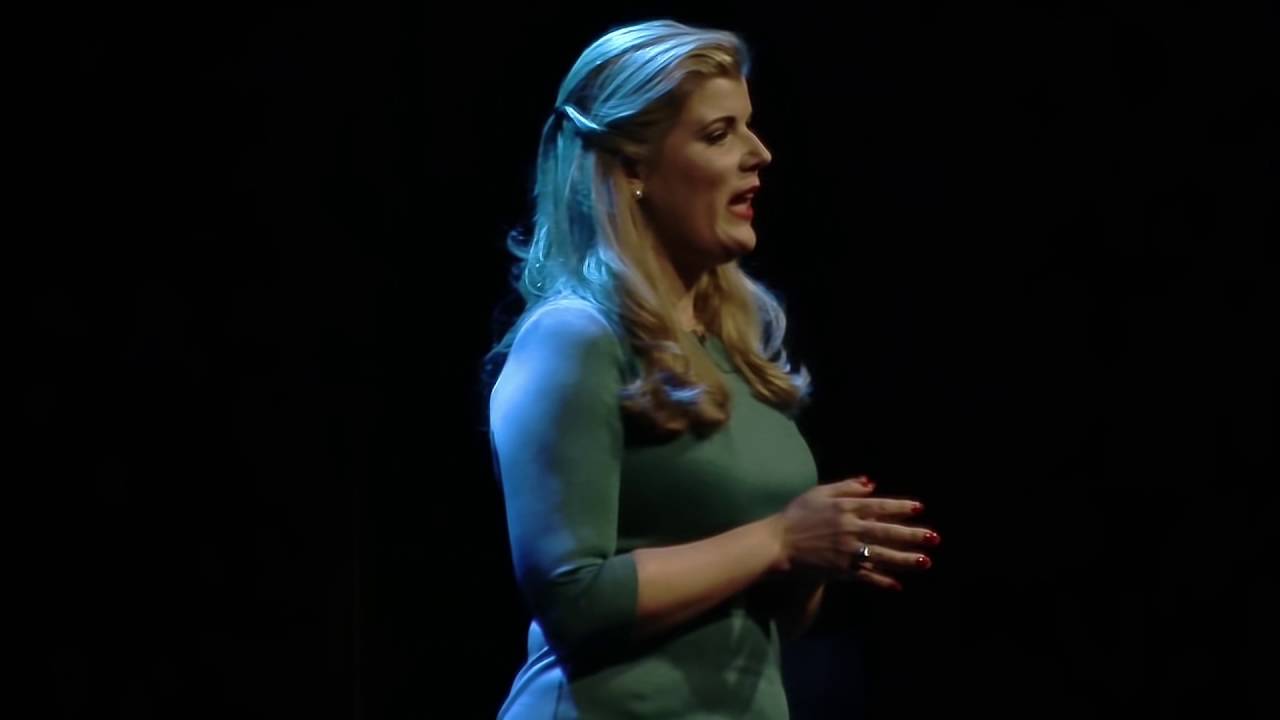
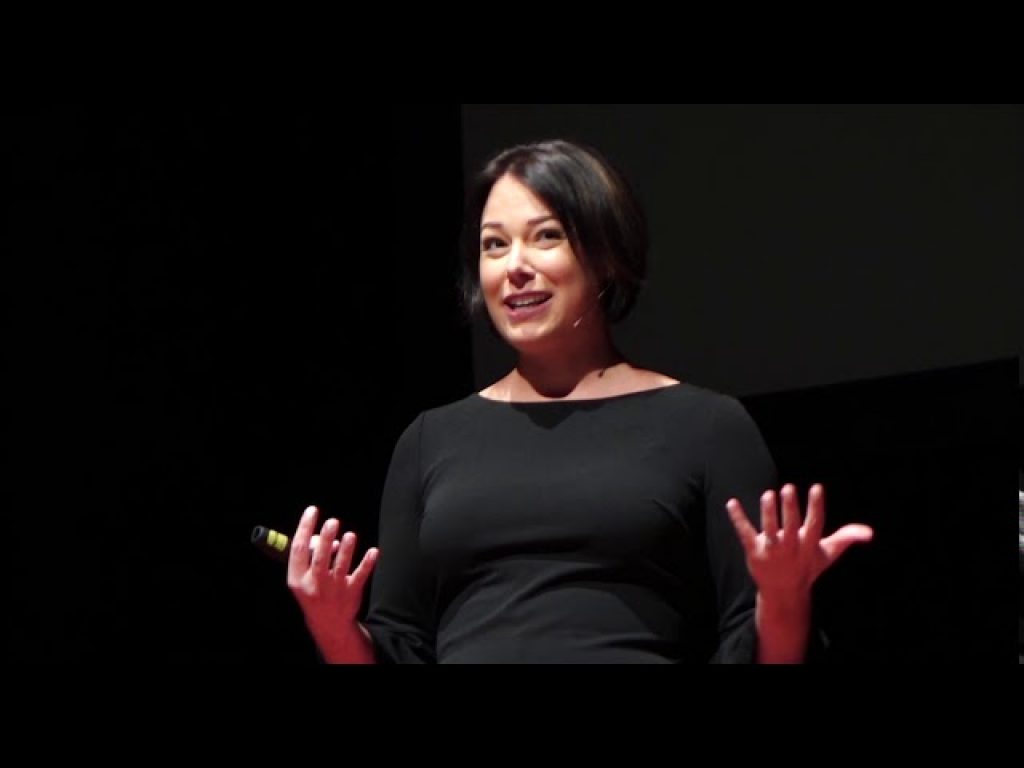
Elena Herdieckerhoff took the TEDxIHEParis stage to make an argument she’s built her whole business around: being highly sensitive isn’t a flaw to manage, it’s a genetic trait with real advantages that most workplaces and most search engines still get wrong. The founder of Entreprincess, a luxury skincare entrepreneur turned mentor for sensitive and empathic founders, spends her 16-minute talk dismantling what she calls sensitivity’s “PR problem” and replacing it with the science behind it.
- Herdieckerhoff cites Dr. Elaine Aron’s research showing Highly Sensitive People (HSPs) make up between 15% and 20% of the population.
- She breaks down the trait using Aron’s “DOES” framework: Depth of processing, Overstimulation, Empathy, and awareness of Subtleties.
- She debunks two stereotypes directly — 30% of HSPs are extroverts, and 50% are men, who she says face added social pressure to hide the trait.
The “PR Problem” With the Word Sensitive
Herdieckerhoff opens by pointing out what happens when you search the word “sensitive” online: the results skew toward irritated skin, wilted flowers, and emotional fragility. That framing, she argues, is the root of why so many sensitive people spend years trying to toughen up rather than understand what’s actually happening in their nervous systems. She frames the talk as a rebrand — not of the people, but of the label itself.
Inside the DOES Framework
The core of her talk leans on Dr. Elaine Aron’s decades of research into sensory processing sensitivity, distilled into four traits: Depth of processing, Overstimulation, Empathy, and Sensitivity to subtleties. Herdieckerhoff walks through each with her own life as the case study — she describes hitting her limit after just an hour at Munich’s Oktoberfest, overwhelmed by the noise and crowd density that other attendees barely register.
She also traces childhood trauma back to watching Jaws, and admits to needing exact mattress conditions to sleep, a quirk that earned her the family nickname “Princess on the Pea.” Those anecdotes aren’t throwaway jokes — they’re meant to show Overstimulation and Depth of processing playing out in ordinary situations, not clinical ones.
Sensitivity isn’t an emotional defect — it’s a genetic asset.
Breaking the Introvert and Gender Myths
Two assumptions get specifically targeted. The first is that every HSP is an introvert — Herdieckerhoff cites the 30% who are extroverts, sensitive to stimulation but still socially energized. The second is that sensitivity is a women’s trait; she puts the male share of HSPs at 50%, arguing men face heavier cultural pressure to mask it, which she connects to broader patterns around how people learn to suppress their genuine reactions rather than work with them — a theme that overlaps with the discussion in The Ego Is Betraying You From Being Your Genuine Self.
Turning Sensitivity Into a Business Asset
Herdieckerhoff’s own résumé backs up her pitch: degrees from the Sorbonne, University College London, and the London School of Economics, plus a track record building an international luxury skincare brand. She uses that background to make the case that empathy and intuition — the same traits that make HSPs prone to overstimulation — are exactly what leadership needs more of, especially in reading a room or a client before anyone says a word. It’s a similar instinct to what shows up in pieces on 5 Reasons Why Introverts Like To Be Alone, where solitude and sensitivity aren’t weaknesses but the price of processing more deeply than everyone else in the room.
Herdieckerhoff’s ask by the end of the talk isn’t sympathy, it’s a rewrite: stop searching “sensitive” and finding weakness, and start searching it and finding the 15-to-20% of people running the DOES framework in the background of every meeting, every crowded festival, every overstimulating Tuesday.


How to Lose Weight and Get More Energy in 15 Days
How To Never Be Boring In Conversation
What Happens to Your Body While Fasting
Russell Brand On Anxiety
How Dopamine Affects Our Ability to Take Action (Dopamine Detox)