

 InfoSearched
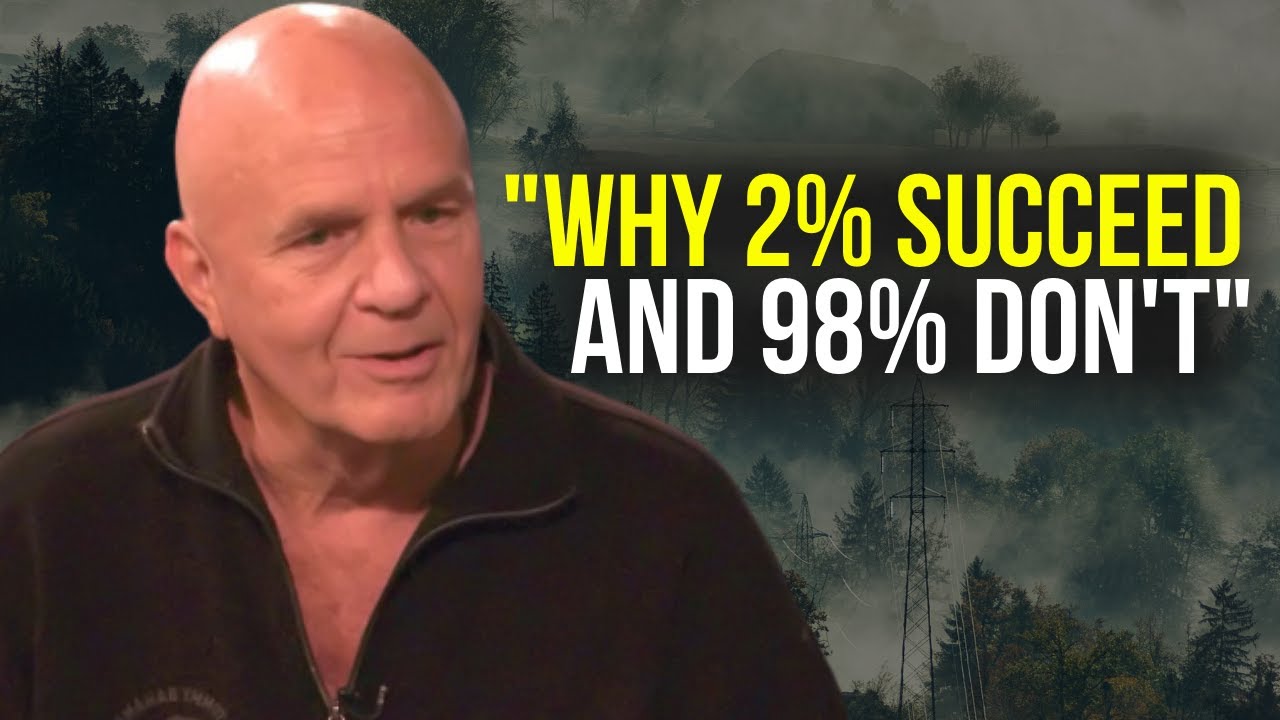
A Detroit orphan who became the man millions call the father of motivation left behind a message that still stops people cold.
Dr. Wayne Dyer spent four decades turning personal reinvention into a body of work that includes more than 40 books, among them the 1976 bestseller “Your Erroneous Zones.” A widely shared clip of his speaking has resurfaced online, and it’s easy to see why — Dyer didn’t just lecture on positive thinking, he built a specific, repeatable framework for how perception, intention and forgiveness actually change a life, and he lived out the framework himself before he died in August 2015.
- Dyer authored 21 New York Times bestsellers and produced 10 National Public Television specials over his career.
- His central teaching — “If you change the way you look at things, the things you look at change” — became the philosophical spine of his later work, including “Wishes Fulfilled.”
- A 1974 visit to his father’s grave marked what Dyer called his most transformative moment, when he replaced decades of rage with forgiveness.
From Foster Homes to Doctorate
Dyer’s authority on self-reinvention wasn’t theoretical. Raised in Detroit foster homes and orphanages after his father abandoned the family, he still earned a doctorate in educational counseling and built an academic career before he ever picked up a microphone as a motivational speaker. That background is why his message never read as abstract positivity — it was drawn from a childhood he’d had to actively rewrite the meaning of.
The turning point he returned to again and again in interviews and speeches was a 1974 trip to visit his father’s grave, a man he’d never forgiven for walking out. Standing there, Dyer said he let go of the anger he’d carried for decades. He credited that single act of forgiveness with unlocking the career and health that followed — a claim that lines up with how his writing shifted almost immediately afterward, from conventional psychology toward something closer to spiritual instruction.
Intention as a Working Tool
In “Wishes Fulfilled,” Dyer laid out what became his signature idea: people don’t attract what they want, they attract what they are. He taught audiences to use imagination deliberately — to assume the feeling of a wish already fulfilled and live from that place of completion until, in his words, thought hardens into fact. It’s a mechanism, not a mood, and Dyer presented it that way, closer to a discipline than a daydream.
“If you change the way you look at things, the things you look at change.”
That line, repeated across his books and speeches, is the hinge his entire philosophy turns on. It’s also the reason his material keeps circulating decades later — anyone chasing a shift in mindset eventually runs into the same idea Dyer was preaching in the 1970s. Readers working through their own patterns of self-doubt often land on similar ground covered in how to eliminate self-doubt and the power of the unconscious mind.
Redefining Death as Transformation
Dyer’s later teaching leaned hard into the idea that humans are, as he put it, “spiritual beings emersed in a human experience” rather than physical bodies having occasional spiritual moments. Following from that, he argued death itself was an illusion — not an ending but a transformation of form, like walking from one room into another. It’s a claim that sounds unusual stated plainly, but it was consistent with everything else he taught about perception dictating reality.
That framing connects directly to the forgiveness story from his father’s grave: if Dyer believed physical loss wasn’t final, letting go of anger toward someone already gone wasn’t just emotional housekeeping, it was consistent with his whole worldview. Listeners drawn to that kind of reframing tend to also find value in material like six lies that block your spiritual awakening, which covers similar ground on perception versus reality.
A Message Built to Outlast Him
Before his death in 2015, Dyer had already stacked up 21 New York Times bestsellers and 10 PBS specials, numbers that put him in rare company among self-help authors of his generation. The consistency of his message across four decades — that every person carries the capacity to manifest an extraordinary life — is likely why his talks keep resurfacing on video platforms years after they were recorded, still landing on new audiences who’ve never read a page of “Your Erroneous Zones.”
The speech circulating now is decades old, but the line that stops people is the same one that stopped audiences in the 1970s: change how you look at things, and the things themselves change. Dyer never claimed it was easy — just that he’d tested it standing at his own father’s grave and walked away a different man.





10 Signs of High Functioning Anxiety
Benefits of Not Ejaculating for 30 Days – (Explained In Depth)
8 Foods Men Should Eat Everyday (Science-Based)
Full Leg Workout for Bigger Stronger Legs (LEG DAY WORKOUT!)
Real Psychologist Reviews Mental Illness In Movies