

 InfoSearched
No gym, no gear, no excuses — just 28 minutes and 51 seconds of floor space and a trainer who isn’t interested in your rest day.
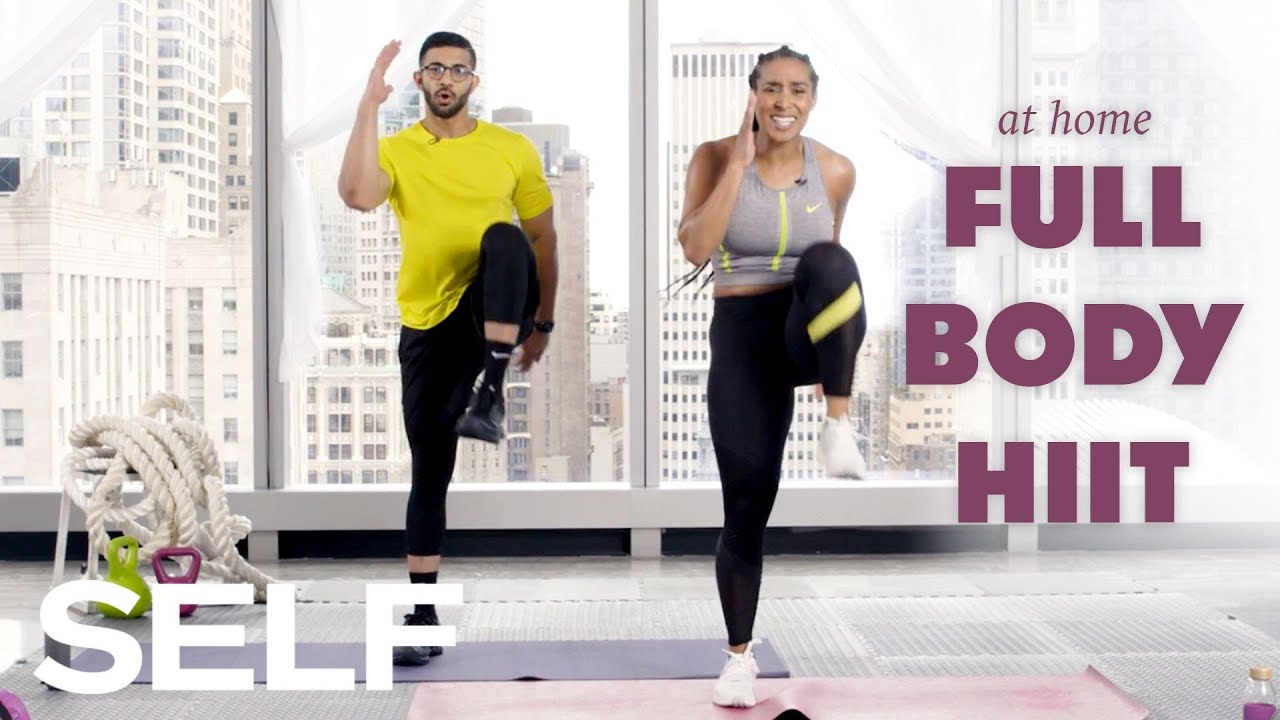
SELF released “30-Minute HIIT Cardio Workout with Warm Up – No Equipment at Home” on May 21, 2018, led by fitness trainer and motivational coach Lita Lewis. The session is built entirely around bodyweight movement — no dumbbells, no bands, no machines — and structures its high-intensity intervals around a built-in warm-up so viewers can go from cold to sprinting in the same continuous take.
- The full routine runs 28 minutes and 51 seconds, blending an integrated warm-up with full-body plyometric and conditioning intervals.
- Lewis cycles through named moves at specific timestamps, including Skaters (3:21), Squats (3:51), Mountain Climbers (4:21), Power Jacks (6:36), Fast Feet (12:06), Toe Taps (13:36), Star Jumps (18:06), and Jumping Lunges (22:52).
- Scheduled recovery is built into the clock itself, with a dedicated rest break arriving at the 7:36 mark between explosive intervals.
Lita Lewis Runs the Room
Lewis leads the session the way she runs her in-person classes — high energy, cueing form out loud, and pushing the pace without letting technique slip. The workout is aimed squarely at people training in a living room or bedroom, which is why every exercise in the sequence is designed to work off nothing but a patch of floor. That accessibility is the entire premise: SELF built the video for viewers who don’t have a HIIT class, a treadmill, or a kettlebell within reach.
Mechanism of Interval Structure Construction
The routine opens with a warm-up segment meant to raise heart rate and loosen joints before the plyometric work begins, then rolls straight into the higher-intensity block. Rather than a rigid, evenly-spaced timer, the intervals are stitched together by move — Lewis introduces a new exercise, runs it, and then transitions, with recovery windows dropped in at points like the 7:36 break rather than on a fixed metronome. That approach keeps the cardiovascular demand climbing steadily instead of resetting on a clock every 30 seconds.
28 minutes and 51 seconds. No equipment, no gym — just floor space and Lita Lewis calling out the next move.
The Move List, Minute by Minute
The middle stretch of the video is where the workout earns its HIIT label. Skaters and Squats open the intensity block in the first four minutes, Mountain Climbers and Power Jacks push the heart rate up through the six-minute mark, and Fast Feet and Toe Taps carry the session into its second half around the 12- and 13-minute marks. Star Jumps hit at 18:06, and the routine closes its explosive work with Jumping Lunges at 22:52, layered alongside plank variations and high-knee work throughout. For anyone comparing formats, it sits in the same family as the moves broken down in 10 HIIT Exercises to Lose Belly Fat FASTER, just sequenced into one continuous session rather than a standalone list.
Significance of No-Equipment Training Formats
HIIT’s appeal has always been efficiency — short, hard bursts followed by brief recovery windows tend to raise cardiovascular fitness and calorie burn faster than steady-state cardio of the same length. Building that format around bodyweight-only moves like Skaters, Star Jumps, and Jumping Lunges means the barrier to entry is just space and motivation, not gear. It’s the same logic behind other equipment-free sessions like At Home Bodyweight Exercises and INSANE 7 MINUTE AT HOME WORKOUT, where the whole pitch is that a living room floor is all the equipment anyone needs.
The session closes out with Jumping Lunges at 22:52 before Lewis works the final stretch down toward the finish, wrapping the full runtime at 28:51. Nothing extra required — no gym membership, no rack of dumbbells, just the clock and the floor.






Medical breakthroughs to watch for in 2019
5 Primal Movements you NEED to do
4 Healthy Breakfast Ideas For Weight Loss With Eggs | Weight Loss Recipes
How To Be Confident In Any Situation
SPINE SURGEON reacts to Chiropractic Y-Strap Manipulations