

 InfoSearched
Ruben Meerman ran the numbers on human fat and found out almost nobody — including doctors — knows where it actually goes.
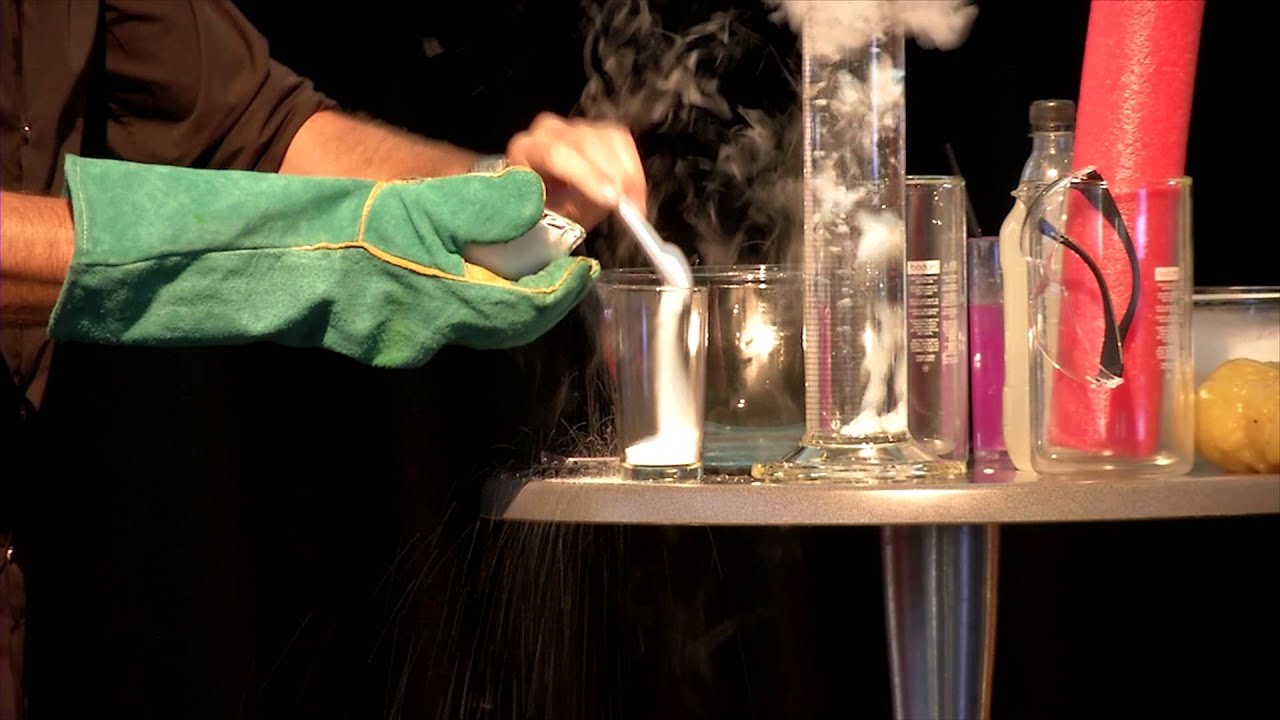
Ruben Meerman built his reputation on ABC Television as the “Surfing Scientist,” the guy who turns physics into a beach demo. At TEDxQUT in Brisbane, he pointed that same instinct at his own body. After shedding roughly 15 kilograms himself, Meerman got curious about a question almost nobody could answer correctly: when fat disappears from your body, where does the mass physically go?
- Meerman’s own weight-loss journey — about 15 kilograms lost — sent him digging into the biochemistry most doctors, dietitians, and personal trainers get wrong.
- Using stoichiometry on a triglyceride molecule (C55H104O6), he shows that losing 10 kilograms of fat requires inhaling 29 kilograms of oxygen, which yields 28 kilograms of carbon dioxide and 11 kilograms of water.
- The breakdown puts 84 percent of that lost fat mass exiting through the lungs as exhaled CO2, with the remaining 16 percent leaving as water through urine, sweat, and breath.
The Question Nobody Could Answer
Meerman opens with an informal survey he ran on doctors, dietitians, and personal trainers: where does fat go when you lose it? The answers he got back were consistently wrong — fat “turns into energy,” fat “turns into heat,” fat “converts to muscle.” None of those survive a basic check against the law of conservation of mass. Energy and heat aren’t made of atoms, and muscle is protein, not lipid. Something with mass can’t simply vanish or transform into something without it.
Following the Atoms Through a Triglyceride
To find the real answer, Meerman goes back to the molecule itself. Fat stored in the body is mostly triglyceride, and he uses the formula C55H104O6 as his working example. Metabolizing that molecule means oxidizing it — combining it with inhaled oxygen — and the products of that reaction are carbon dioxide and water, exactly as they are when you burn any hydrocarbon. Track every atom on both sides of the equation and the mass has to balance; nothing gets lost, and nothing turns into pure energy without shedding matter somewhere.
The Numbers Behind Losing 10 Kilograms
Run the stoichiometry and the figures are specific: shedding 10 kilograms of fat means your lungs need to pull in 29 kilograms of oxygen. That oxidation reaction produces 28 kilograms of carbon dioxide and 11 kilograms of water as byproducts. Do the arithmetic on where that mass ends up and the split comes out to 84 percent exhaled as CO2 and 16 percent excreted as water through sweat, urine, and other bodily fluids.
Losing 10 kilograms of fat requires inhaling 29 kilograms of oxygen — and it comes back out as 28 kilograms of carbon dioxide and 11 kilograms of water.
The Lungs, Not the Sweat Glands
That 84-16 split is the whole point of the talk: the lungs, not the skin and not the bladder, are the primary organ responsible for excreting fat. Sweat and urine matter, but they’re a minority contributor. Every breath you exhale while running, walking, or just sitting still is carrying carbon atoms that used to be stored fat out of your body — which is a very different mental picture from “burning it off” or “sweating it out,” and it’s the kind of concrete detail that pairs well with any practical routine, from the HIIT circuits built to target belly fat to the science-based tips people already lean on to cut it.
Meerman’s talk doesn’t prescribe a diet or a workout plan — it’s a physics lesson dressed up as a myth-bust. But the number he leaves the audience with is the one worth remembering: the next time the scale moves, most of that mass left through your lungs, one exhale at a time.








Why Taraji P. Henson Values Mental Health Awareness
Dr. Grant Tarling’s Tips on Staying Healthy While Traveling
Why Sitting Down Destroys You
4 Healthy Oatmeal Recipes
9 Healthy Lunchbox Hacks