

 InfoSearched
A Harvard geneticist says aging isn’t a one-way street — it’s a data problem you can fix.
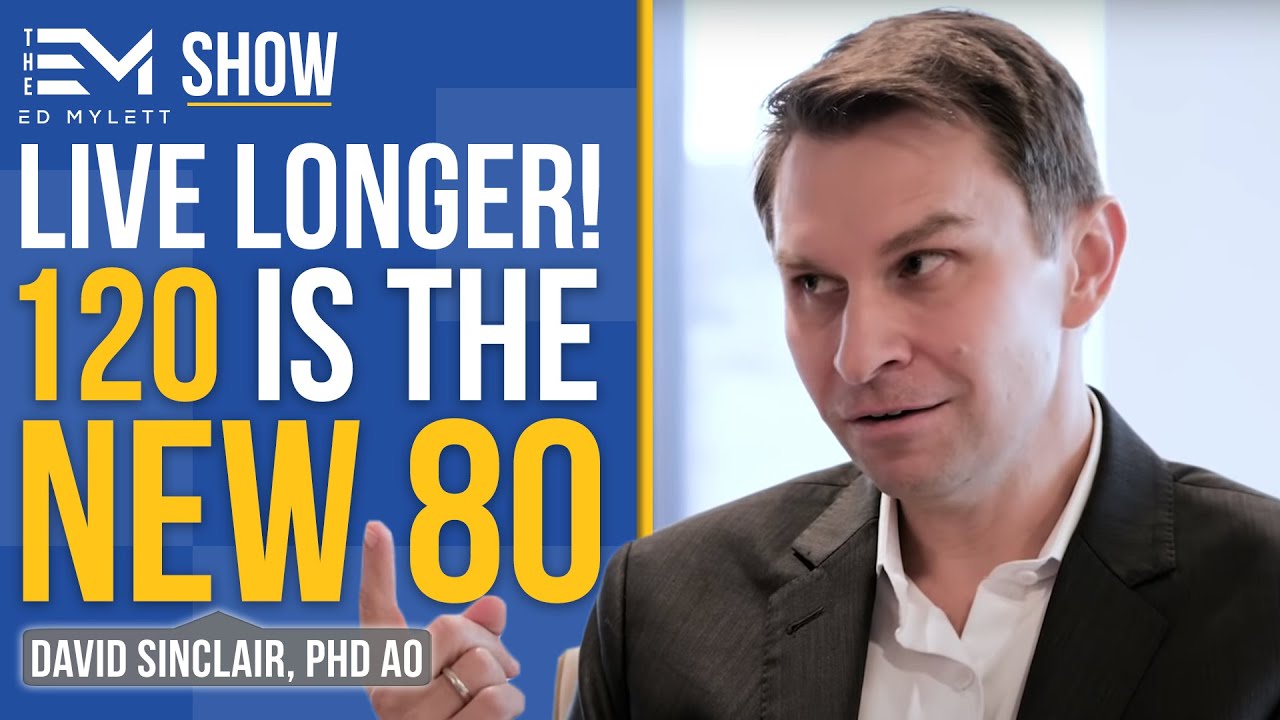
In an interview released by host Ed Mylett on December 4, 2019, Harvard Medical School geneticist Dr. David Sinclair lays out a case that upends how most people think about growing old. Rather than treating aging as an inevitable decline, Sinclair frames it as a loss of information inside our cells — information that, in his lab’s models, can be restored. The conversation runs through the mechanics of his research, the compounds he says activate the body’s own defenses, and the everyday habits that trigger the same repair systems.
- Sinclair’s “Information Theory of Aging” holds that DNA remains intact as we age, but epigenetic “noise” builds up and blocks cells from reading it correctly — he compares it to scratches on a compact disc.
- His lab uses cellular reprogramming factors delivered through viral vectors to regenerate damaged nerve tissue and restore youthful traits in animal models.
- He points to metformin, resveratrol and NAD+-boosting precursors as compounds that activate sirtuin pathways, the body’s internal longevity defenses, and cites intermittent fasting and calorie restriction as lifestyle triggers for the same repair mechanisms.
The Information Theory of Aging
Sinclair’s core argument starts with a distinction between the digital and the analog. DNA, he says, functions like a digital genetic code — durable, precise, largely unchanged over a lifetime. Aging, by contrast, is an analog problem: chemical marks called epigenetic changes accumulate on top of that code over time and gradually scramble the instructions cells use to function.
The comparison he returns to is a compact disc. The music — the original genetic information — is still there, but scratches on the surface eventually stop the player from reading it. Sinclair’s research suggests cells hold onto a kind of pristine “backup copy” of their younger epigenetic state, and that if scientists can find a way to reset the readout, tissues can regain functions they’d lost to age.
Aging, in Sinclair’s telling, isn’t the music disappearing — it’s a scratched disc that still has the original song sitting underneath the noise.
Measuring Biological Age with the Horvath Clock
None of this works as medicine unless doctors can measure it, which is where Sinclair says the field made a genuine leap forward. He points to the Horvath epigenetic clock — a method that reads patterns of DNA methylation to calculate a person’s biological age, separate from the number on their birth certificate.
That distinction matters because two 50-year-olds can carry very different biological ages depending on lifestyle, stress and disease history. Sinclair treats the Horvath clock as the diagnostic tool that finally lets researchers test whether an intervention is actually turning back biological age, rather than just relieving a single symptom.
Reprogramming Cells and Restoring Youth
On the clinical side, Sinclair describes his lab’s work with cellular reprogramming factors — delivered into tissue using viral vectors — as a way to push damaged cells back toward a younger state. He specifically cites experiments regenerating damaged nerve tissue in animal models, with results he says restore traits associated with youth rather than merely slowing further decline.
It’s a meaningfully different goal than most of modern medicine, which Sinclair frames as a system built to manage individual diseases — heart disease, cancer, dementia — one at a time as they appear. His argument is that targeting the biology of aging itself, instead of chasing each downstream disease separately, could extend both healthspan and lifespan while easing the burden those diseases place on the healthcare system.
Sirtuins, Metformin and the Case for Fasting
Sinclair’s practical recommendations center on sirtuin pathways — internal longevity defenses he says can be switched on pharmacologically and nutritionally. He names the diabetes drug metformin, the compound resveratrol, and NAD+-boosting precursors as agents that activate those pathways in his research.
He pairs that with lifestyle measures that don’t require a prescription: intermittent fasting and calorie restriction. The logic, as Sinclair explains it, is that meal timing itself is a mild stressor — one that pushes the body into activating cellular repair mechanisms it wouldn’t otherwise engage. Readers curious about the mechanics of that approach can find a breakdown of the different fasting methods, and the case for eating just once a day, in InfoSearched’s own coverage of intermittent fasting.
Sinclair is careful to frame this as a shift in medicine’s paradigm rather than a miracle fix — moving the target from treating age-related diseases individually to treating the aging process that produces them. It’s a big swing, delivered by someone with a Harvard lab and a paper trail of published research behind it, which is exactly why Mylett built the entire interview around getting Sinclair to explain it in plain terms.






Fat Burning Cardio Workout – 37 Minute Fitness Blender Cardio Workout at Home
A Navy SEAL Explains Why You Should End A Shower With Cold Water
The NEED for Acceptance Will Make You INVISIBLE – Jim Carrey
What you didn’t know about coffee
5 Minute Covid Cardio Workout