

 InfoSearched
Most beginner cooks lose the meal before the pan ever gets hot.
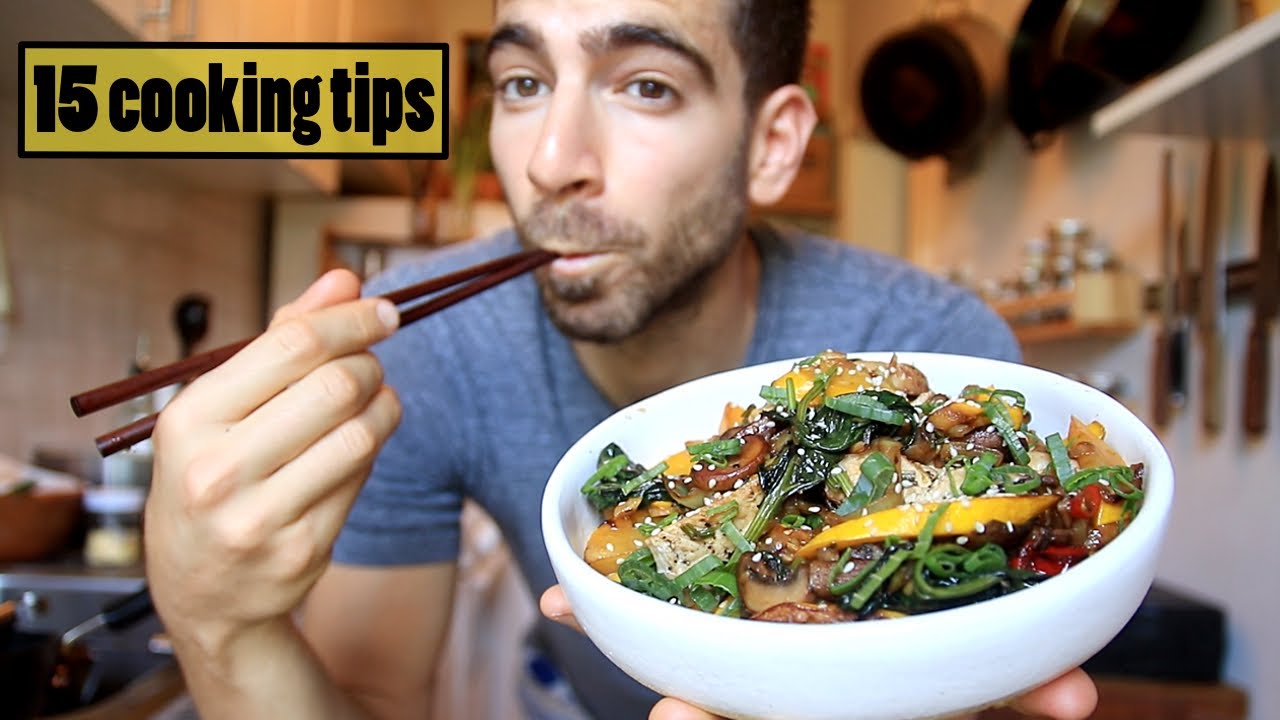
Mike Greenfield, the chef behind Brothers Green Eats, opens his YouTube series “15 Mistakes Most Beginner Cooks Make” by skipping the lecture on knife skills and recipe theory entirely. Part 1 zeroes in on the stuff that actually wrecks a home-cooked dinner: wet meat hitting a cold pan, vegetables left to steam into mush, and cooks who never let anything rest. It’s a punch list, not a philosophy lesson, and it’s built for anyone who’s ever wondered why their steak came out gray instead of seared.
- Mike Greenfield structures the video around heat control, meat prep and pan technique rather than generic cooking theory.
- The countdown runs a full 15 mistakes, opening with patting meat dry with paper towels and closing with a simple directive to keep cooking to build real kitchen instinct.
- Carryover cooking gets its own dedicated point — Greenfield tells viewers to pull meat off the heat slightly early and rest it so the juices redistribute instead of running out onto the cutting board.
Getting the Meat Ready Before It Ever Touches the Pan
The first fixes in the video happen before the stove even gets turned on. Greenfield’s number one mistake is skipping the paper towel: wet meat straight from the fridge or a marinade releases moisture into the pan and steams instead of searing, which is the difference between a crust and a gray, flabby surface. From there he moves to pounding or cutting cuts of meat to an even thickness, so a chicken breast that’s thin on one end and thick on the other doesn’t finish cooking unevenly.
The third fix is patience most beginners skip entirely — season the meat, then let it sit for at least 10 minutes before it goes anywhere near heat. That resting window gives salt time to draw moisture to the surface and reabsorb, which helps the crust form once the meat finally hits the pan.
Pat it dry, season it, then leave it alone for ten minutes — that’s the step most beginners skip straight past.
Controlling the Pan Instead of Fighting It
A big chunk of the video is dedicated to heat management, which Greenfield treats as the real skill gap between a beginner and someone who can actually cook. He walks through preheating a dry pan thoroughly before oil ever goes in, then using enough fat to actually coat the surface rather than a token drizzle that leaves half the pan dry. Anyone still guessing at seasoning ratios might also want to check how spices like turmeric actually work in a dish before assuming a pinch of salt is doing all the flavor work.
He also hammers the idea of pulling meat off the heat a little early to account for carryover cooking — the residual heat that keeps a steak or chicken breast climbing in temperature even after it leaves the pan. Skip that adjustment and the meat overshoots the target doneness by the time it’s rested and plated.
Resting, Prepping and Having an Actual Plan
Once the meat comes off the heat, Greenfield insists on resting it and preserving the rendered juices rather than letting them pool and go to waste on the cutting board. That same discipline applies before cooking even starts: he tells beginners to prep their vegetables and aromatics ahead of time and to walk into the kitchen with a clear sequence of what gets cooked when, instead of improvising the order as pans go on and off the burners.
Finishing the Plate: Vegetables, Browning and Seasoning
The back half of the list covers the mistakes that show up right before the food hits the table. Overcooked vegetables lose both their color and their crunch, so Greenfield pushes cooks to pull them while they still have some bite. He also flags the habit of constantly stirring or moving food in the pan, which prevents proper browning — a piece of meat or a pile of onions needs to sit still long enough to actually develop color. Seasoning gets a repeat mention here too, not as a one-time shake of salt at the start but as something layered in throughout the cooking process, and readers looking to round out their overall approach to meals can find more on building better everyday eating habits once the technique side is locked in.
Presentation closes out the technical points — plating food neatly rather than dumping it onto a plate — before Greenfield lands on the fifteenth and final mistake: not cooking enough. His fix isn’t a technique at all, it’s repetition. Get in the kitchen regularly and the instincts around heat, timing and seasoning start to build on their own.









How Canada’s Universal Health-Care System Works
How To Turn Anxiety Into Charisma
How To Turn Anxiety Into Charisma
$13 Korean Soup Vs. $88 Korean Soup
MY BABY WEIGHT LOSS JOURNEY