

 InfoSearched
A feminist filmmaker set out to expose the Men’s Rights Movement and ended up dismantling her own worldview instead.
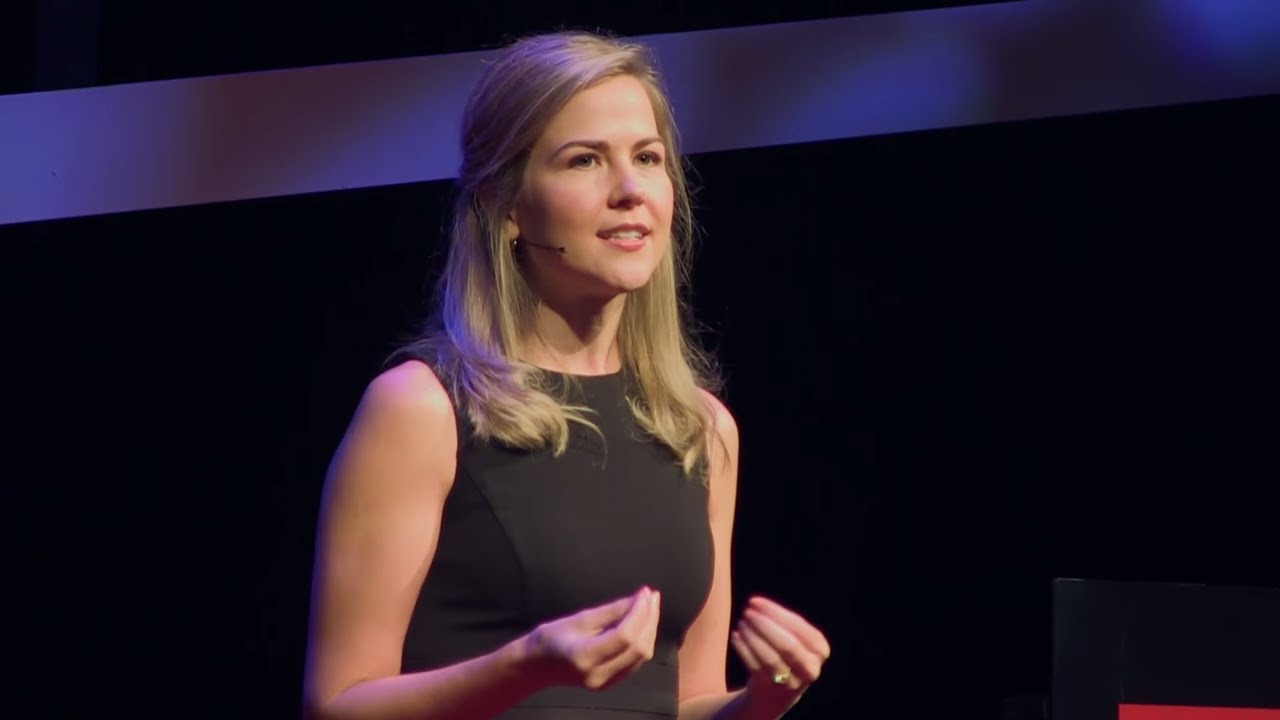
Cassie Jaye walked onto the TEDxMarin stage in 2017 to explain how a documentary she started as an exposé turned into a confession. The film was “The Red Pill,” released in 2016, and it chronicles three years of Jaye — a self-described feminist for roughly a decade — filming men’s rights activists she initially believed were hiding a movement built on hatred of women. What she found in 100 hours of footage instead forced her to rethink everything she thought she knew about the fight between the sexes.
- Jaye began filming in 2013 intending to expose the Men’s Rights Movement (MRM) as misogynistic, interviewing figures like Paul Elam and Warren Farrell over three years and 100 hours of footage.
- She encountered verified male-disproportionate issues — workplace fatalities, military conscription, suicide rates, child custody discrepancies, and paternity fraud — that reframed her understanding of gender inequality.
- After the film validated men’s perspectives, former feminist allies organized protests and smear campaigns against “The Red Pill’s” screenings, and Jaye ultimately abandoned the feminist label entirely.
The Investigation That Turned Inward
Jaye told the TEDxMarin audience she went into production with a clear goal: catch the MRM saying something ugly on camera and hand feminists the receipts. Instead, sitting across from activists like Paul Elam and Warren Farrell, she kept hearing statistics she couldn’t dismiss — men dying on the job at far higher rates than women, men facing conscription women never have to consider, and suicide numbers that dwarfed anything she’d studied in feminist literature. Child custody outcomes and paternity fraud cases added to a pattern she hadn’t gone looking for.
She described a reflex she’d relied on for years: whenever a men’s issue came up, she’d mentally counter it with a worse issue facing women, a tactic she now recognized as avoidance dressed up as advocacy. That habit is the same defensive crouch explored in The Ego Is Betraying You From Being Your Genuine Self, and Jaye said naming it was the first step toward actually listening to the men she was filming instead of scripting rebuttals in her head.
Finding the Enemy Was Never Who She Thought
The turning point in her talk wasn’t a statistic — it was a realization about her own ego. Jaye said she’d spent years assuming that if MRM activists were right about anything, it meant feminism was wrong about everything, a zero-sum framing that made every interview feel like combat instead of research.
The enemy she’d gone looking for wasn’t Paul Elam or Warren Farrell — it was her own certainty that she was right and they were subhuman.
Once she dropped that certainty, she said, the footage stopped looking like a takedown and started looking like a documentary. That shift shows up in the film’s finished tone, and it’s the same territory covered in What Representing Men in Divorce Taught Me About Fatherhood, where custody battles get examined without assuming either parent is the villain.
The Backlash That Followed the Film
Releasing “The Red Pill” in 2016 didn’t earn Jaye credit for even-handedness — it cost her standing in the feminist circles she’d belonged to for a decade. She recounted organized protests outside screenings and smear campaigns aimed at killing the film’s distribution, driven by former allies who saw simply humanizing MRM activists as a betrayal, regardless of what the statistics showed.
Jaye framed that reaction as proof of the exact dynamic she was trying to escape: treating a documentary’s subjects as too dangerous to platform, rather than engaging with the numbers on suicide, custody, and workplace deaths that the film puts on screen. The men’s suicide-rate data she cites overlaps with ground covered in On Jordan Peterson & The Hidden Epidemic, another talk wrestling with issues largely absent from mainstream gender debates.
Dropping a Label She’d Worn for a Decade
Jaye closed her TEDxMarin talk with the line that made it a headline moment on its own: she no longer calls herself a feminist. Not because she rejects gender equality, she said, but because the label had become a team jersey that made listening to the other side feel like treason. Her closing pitch to the audience was simpler than a policy platform — sit down with the people you’ve decided are the enemy before you decide what they believe.
“The Red Pill” is still touring festival and campus screenings as of this talk, and every stop brings the same choice organizers faced in 2016 — book it and risk the protests, or skip it and skip the argument Jaye spent three years and 100 hours of footage trying to have on camera.







Is This Cheating? “Little Known” Biohacks That Will Make You Superhuman
How Steroid Abuse Affected This Korean Bodybuilder
WHY I RUN
I Lost 230lbs And I’m Proud Of My Saggy Skin
LARRY WHEELS – EPIC BODY TRANSFORMATION – HARDCORE GYM MOTIVATION