

 InfoSearched
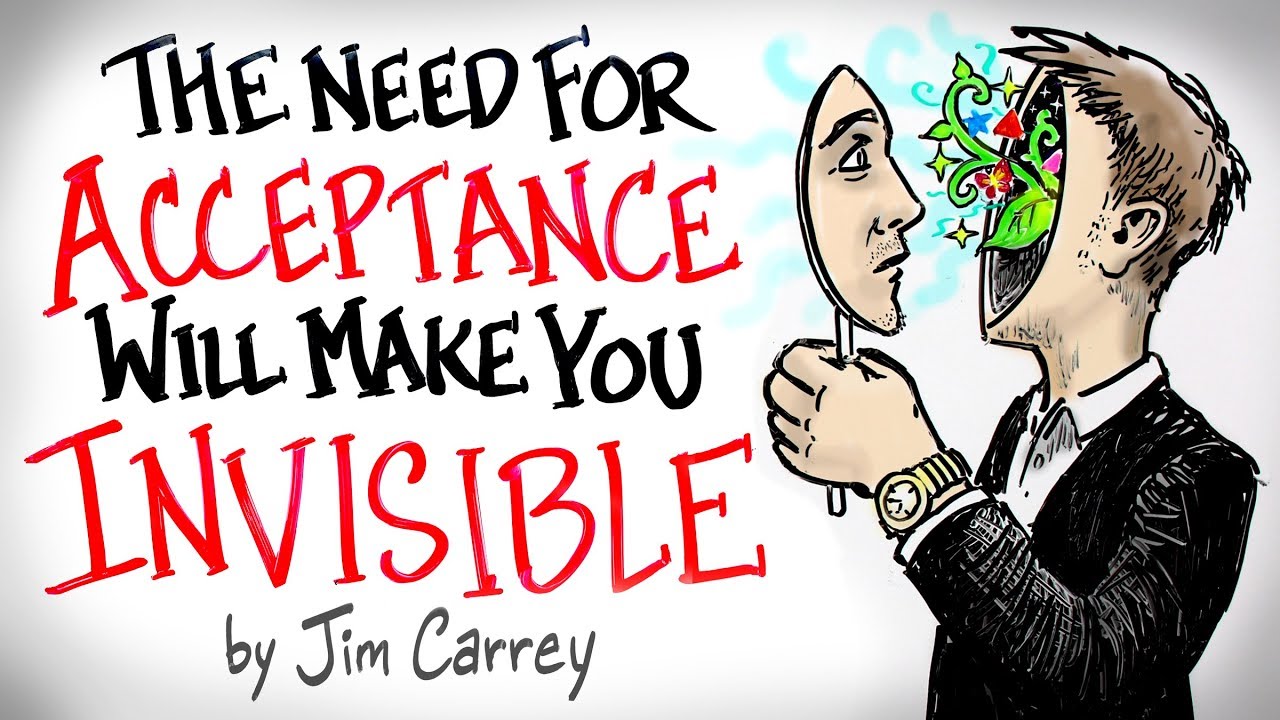
The need for acceptance, Jim Carrey warns, can erase you before you ever get the chance to be seen.
An animated breakdown from the channel After Skool has been circulating this fall, distilling one of the most quoted commencement speeches of the last decade into a few minutes of visuals. The video, titled “the NEED for Acceptance Will Make You INVISIBLE – Jim Carrey,” draws its script almost word-for-word from Carrey’s 2014 address to the graduating class at Maharishi University of Management in Fairfield, Iowa. It isn’t a new interview or a fresh soundbite — it’s a re-packaging of a speech that’s already become a touchstone for anyone wrestling with fear, ego, and the pressure to play it safe.
- The video adapts Carrey’s full 2014 commencement speech at Maharishi University of Management, centered on the line: “Your need for acceptance can make you invisible in this world.”
- Carrey traces the speech’s core lesson to his father, Percy Carrey, a talented comedian who instead became an accountant — and was laid off when Jim was 12, plunging the family into homelessness and forcing Jim to drop out of high school at 15 and work as a janitor.
- Carrey’s takeaway from that collapse: “You can fail at what you don’t want, so you might as well take a chance on doing what you love.”
The Speech Behind the Animation
Carrey’s address to Maharishi University’s class of 2014 wasn’t a typical graduation pep talk about networking and résumés. It was built around a single warning: that chasing approval quietly erases who you actually are. “Don’t let anything stand in the way of the light that shines through this form,” Carrey told the graduates. “Risk being seen in all of your glory.” After Skool’s animators built their entire short around that idea, using it as the spine for everything else Carrey says about fear, safety, and identity.
The framing throughout is a binary choice — love or fear — and Carrey doesn’t pretend it’s an easy one. “So many of us choose our path out of fear disguised as practicality,” he said, a line that reads less like graduation-speech uplift and more like a direct accusation aimed at anyone who’s ever picked the “responsible” option out of anxiety rather than conviction.
Percy Carrey’s Cautionary Tale
The emotional core of the speech — and the part the animation leans on hardest — is the story of Carrey’s father. Percy Carrey had real comedic talent, by his son’s account, but chose the safer road: a career as an accountant. That decision looked sound for years, until the company let him go. Jim was 12 at the time, and the fallout was severe — the family lost their financial footing, ended up homeless, and at one point lived out of a van. Jim went to work as a janitor and dropped out of school at 15.
“You can fail at what you don’t want, so you might as well take a chance on doing what you love.”
Carrey has told this story before, but in the commencement address he uses it as the hinge of the entire argument: playing it safe offers no actual protection. His father did everything “right” by conventional standards and still lost everything. That’s the evidence Carrey presents for why fear-based practicality is a bad trade — a theme that echoes the case made in how the ego quietly betrays your genuine self by convincing you the safe version of you is the real one.
Currency, Fear, and the Universe
Carrey closes his argument with a reframing of value itself. “The effect you have on others is the most valuable currency there is,” he told the graduates — a direct rebuttal to the idea that safety, salary, or status should be the measuring stick for a life well lived. He pushes the audience to ask boldly for what they want rather than settling for what feels achievable, arguing that resignation dressed up as pragmatism is still just fear.
That instruction to stop negotiating with your own fear runs parallel to arguments made elsewhere about breaking cycles of self-doubt — the same territory covered in how to eliminate self-doubt and reclaim the unconscious mind. Carrey’s version of the advice is blunter: stop asking the world for permission and start asking it for what you actually want.
Enduring Relevance of the Speech
After Skool’s format — turning a single spoken monologue into a fully illustrated short — has become a common way to keep speeches like this one circulating years after they were delivered. Carrey’s 2014 address never stopped getting clipped and re-shared, and the animation treatment is the latest version of that same afterlife, stripping away the graduation-day context and leaving just the argument: acceptance-seeking is a trap, and the alternative is risking visibility on your own terms.
Carrey never went back to accounting-style safety himself — dropping out at 15 and grinding through stand-up clubs before “In Living Color” and “Ace Ventura” turned him into one of the biggest comedic actors of the 1990s. That’s the detail the speech leans on without saying it outright: the guy telling graduates to risk being seen is the same guy whose own father’s safe bet collapsed and whose own reckless one didn’t.







Soon We’ll Cure Diseases With a Cell, Not a Pill | Siddhartha Mukherjee | TED Talks
Why Taraji P. Henson Values Mental Health Awareness
9 Healthy Lunchbox Hacks
Why I’ll NEVER Drink Caffeine Again After Learning This
Full Leg Workout for Bigger Stronger Legs (LEG DAY WORKOUT!)