

 InfoSearched
Three anxiety disorders get lumped together constantly, but they’re clinically distinct — and knowing the difference changes how you treat them.
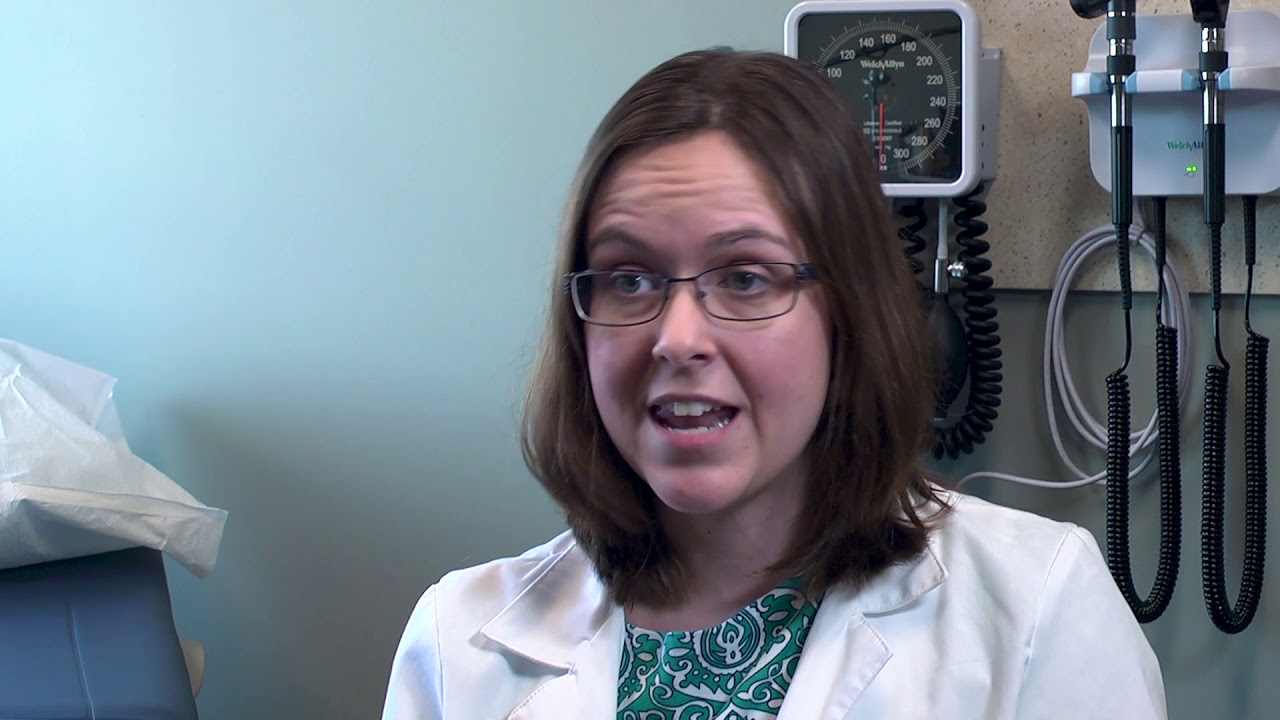
In an educational video from Premier Health, Dr. Heather Markwell, a family medicine physician with Premier Physician Network and Liberty Family Medicine in Ohio, breaks down generalized anxiety disorder, panic disorder, and social anxiety disorder — three conditions that get grouped under the same “anxiety” umbrella but present in very different ways. Dr. Markwell walks through the specific symptoms, triggers, and timelines that separate them, along with the standard treatments physicians reach for once a diagnosis is made.
- Generalized anxiety disorder requires excessive, uncontrollable worry about everyday matters — work, health, money, family — present on most days for at least six months, alongside physical signs like muscle tension, fatigue, and sleep disturbance.
- Panic disorder involves unprovoked panic attacks that peak within roughly 10 minutes, with symptoms severe enough (racing heart, chest pain, shortness of breath) that many sufferers end up in the emergency room believing they’re having a heart attack.
- Social anxiety disorder is narrower in scope than the other two, centering specifically on fear of scrutiny, embarrassment, or being judged during social or performance situations.
Generalized Anxiety Disorder’s Six-Month Threshold
Dr. Markwell describes GAD as chronic, disproportionate worry about routine daily concerns — employment, health, finances, family — that shows up on most days for at least six months. That duration requirement matters clinically: occasional stress about a deadline or a bill doesn’t meet the bar, but persistent, hard-to-control worry that follows someone into unrelated parts of their day does.
The physical toll runs parallel to the psychological one. Patients with GAD commonly report muscle tension, persistent fatigue, irritability, restlessness, headaches, and disrupted sleep, along with autonomic responses like sweating and trembling. Those symptoms compound over time, which is why GAD is often described as wearing people down rather than striking all at once — a distinction that separates it sharply from the acute, sudden onset of a panic attack.
Panic Disorder and the Emergency Room Problem
Panic disorder works on an entirely different clock. Rather than a slow buildup, Dr. Markwell explains that panic attacks arrive as an abrupt surge of overwhelming fear or distress that typically peaks within 10 minutes. The symptom list — racing heartbeat, chest pain, dizziness, a choking sensation, shortness of breath, and an acute fear of dying or losing control — mimics a cardiac or respiratory event closely enough that patients frequently head straight to the ER rather than a therapist’s office.
Symptoms peak within 10 minutes and mimic a heart attack closely enough that many patients call 911 before they call a doctor.
That overlap with genuine medical emergencies is one of the harder parts of managing panic disorder — patients can’t always tell the difference in the moment, and repeated attacks often lead people to start avoiding places or situations they associate with a prior episode.
Social Anxiety Disorder’s Narrower Focus
Social anxiety disorder, by contrast, is triggered specifically by social or performance settings — meeting new people, public speaking, being observed or evaluated by others. Dr. Markwell notes it shares physical symptoms with the other two disorders, including trembling, nausea, and sweating, but the fear itself is anchored to a specific category of situation rather than the free-floating worry of GAD or the sudden physiological alarm of panic disorder.
That specificity is part of why treatment approaches often look similar even when the diagnosis differs — the underlying nervous system response is comparable, even if the trigger isn’t.
Risk Factors and Standard Treatment
Dr. Markwell points to a mix of genetic and environmental risk factors behind all three conditions, and research she cites shows anxiety disorders disproportionately affect women. On the treatment side, the standard toolkit is cognitive behavioral therapy (CBT) paired with pharmacotherapy — SSRIs or short-term anxiolytics — aimed at reducing symptom severity and restoring day-to-day functioning.
For readers looking to dig further into how anxious thought patterns take hold and what breaks the cycle, InfoSearched’s breakdown of Johann Hari’s research on anxiety and depression covers some of the same environmental territory Dr. Markwell references, and the piece on breaking the habit of excessive worrying lines up closely with the GAD symptom profile described here.
The takeaway from Dr. Markwell’s breakdown isn’t just that these three disorders share a name — it’s that a GAD diagnosis, a panic attack, and social anxiety call for different conversations with a physician, even though CBT and SSRIs show up on the treatment list for all three. If any of the specific symptom clusters she describes sound familiar, that six-month GAD marker or the 10-minute panic-attack peak are the exact details worth bringing up at the next appointment.







When a Man LOVES You, here’s what he’s THINKING (counter-intuitive)
I Worked out like Chris Hemsworth for 30 Days
What I Eat In A Day
This could be why you’re depressed or anxious | Johann Hari